
Ending the Paperwork Nightmare for Doctors
Medical staff were drowning in manual data entry and untraceable paper records during flu season. This case study shows how I used job shadowing to design a mobile, station-based tool that cut the clutter and saved thousands of hours.
Role
Lead Product Designer
(Collaborated with Taiwan CDC & Engineering Teams)
Contribution:
Field Research, Service Design, Product strategy, Complex systems
Client:
Taiwan Centers for Disease Control (CDC)
Duration
Dec 2019 - Mar 2021
Platform:
Web app, Mobile app
Tools:

The Challenge: The "Black Hole" of Healthcare Data Legacy paperwork created a critical data silo for 2 million students, creating untraceable gaps in national health records. The disconnected, manual workflow overwhelmed medical staff with high cognitive load and left the CDC with zero real-time visibility into vaccine inventory or progress.
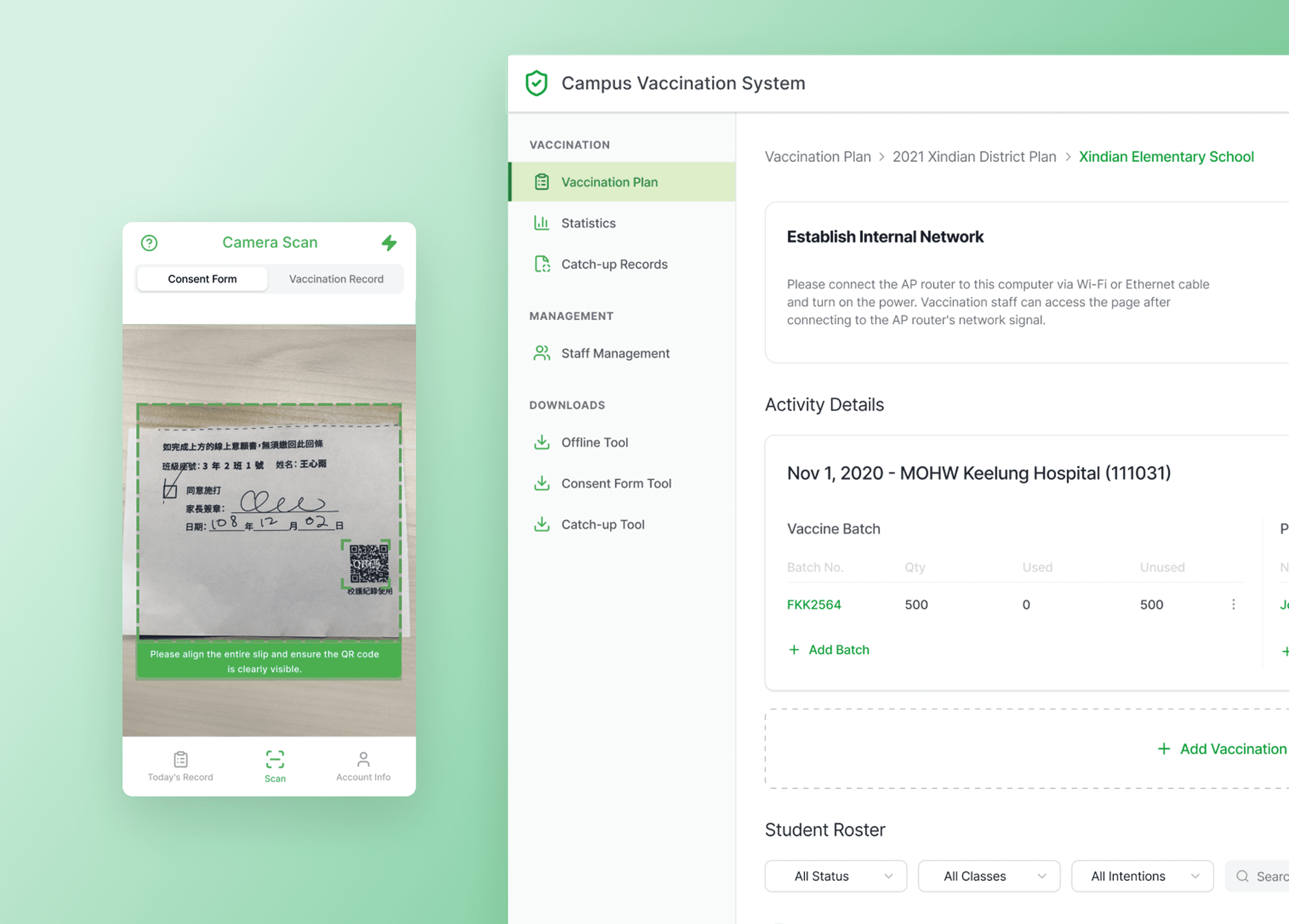
The Solution: An Offline-First Digital Ecosystem I designed a resilient service ecosystem to bridge the connectivity gap. The solution features a centralized command dashboard that automates logistics for administrators, and a station-based mobile tool that guides medical staff through clinical protocols with precision—even in offline environments.
Key Results

1 Year to National Scale
Expanded a 3-school pilot into a nationwide infrastructure serving 2 million students within a single year.

14-Point NPS Uplift
increased the Net Promoter Score (54 → 68) by optimizing the high-pressure clinical workflow for medical staff.

2,000+ Staff Onboarded
Orchestrated the offline-to-online transition for medical administrators across schools and health centers, reducing on-site operational errors.

Zero Data Latency
Reduced reporting time from weeks (paper travel) to milliseconds, enabling the government to manage vaccine supply chains dynamically.
Shattered boundaries and earn trust

From Field Observations to Strategic Alignment
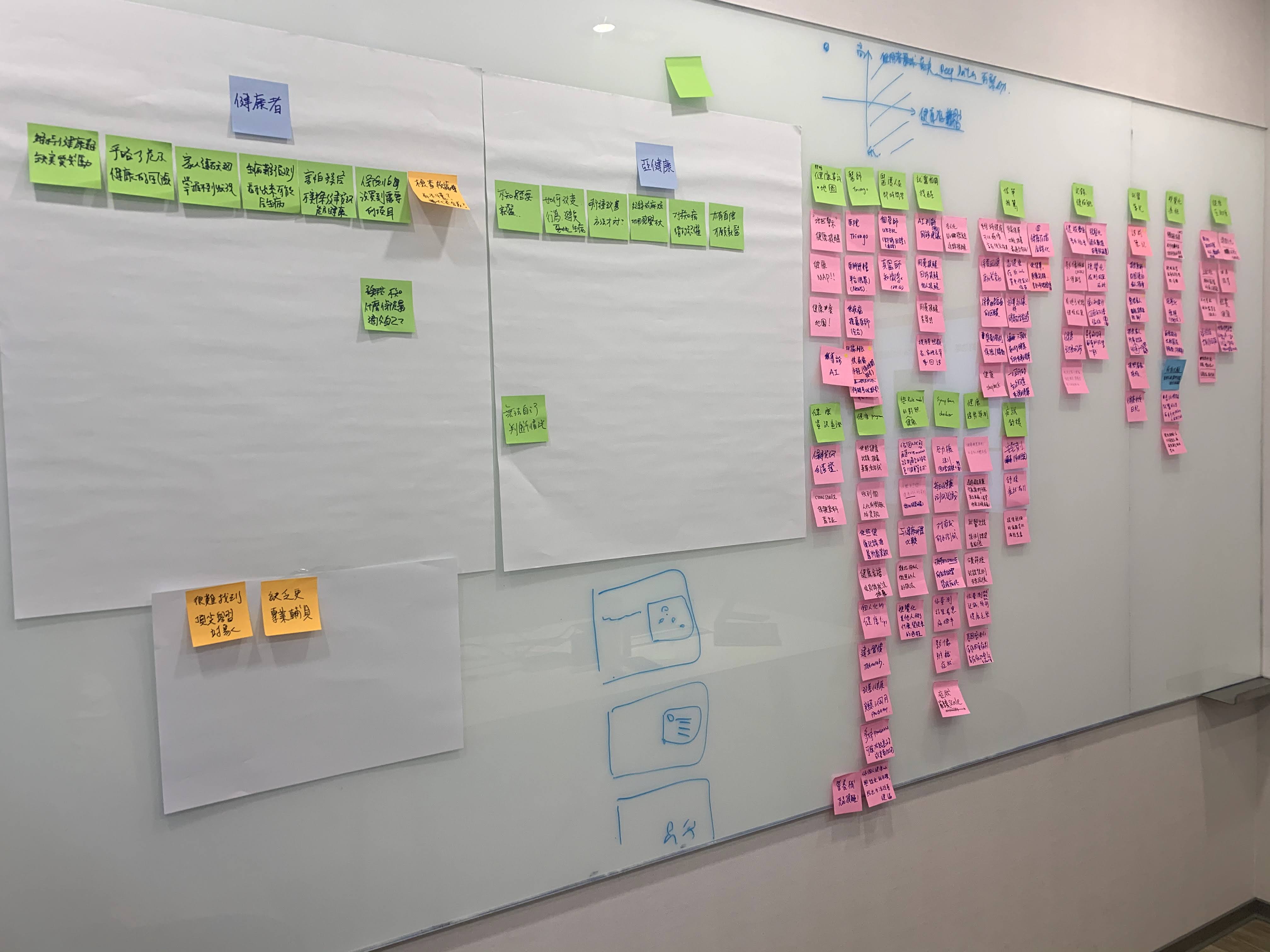
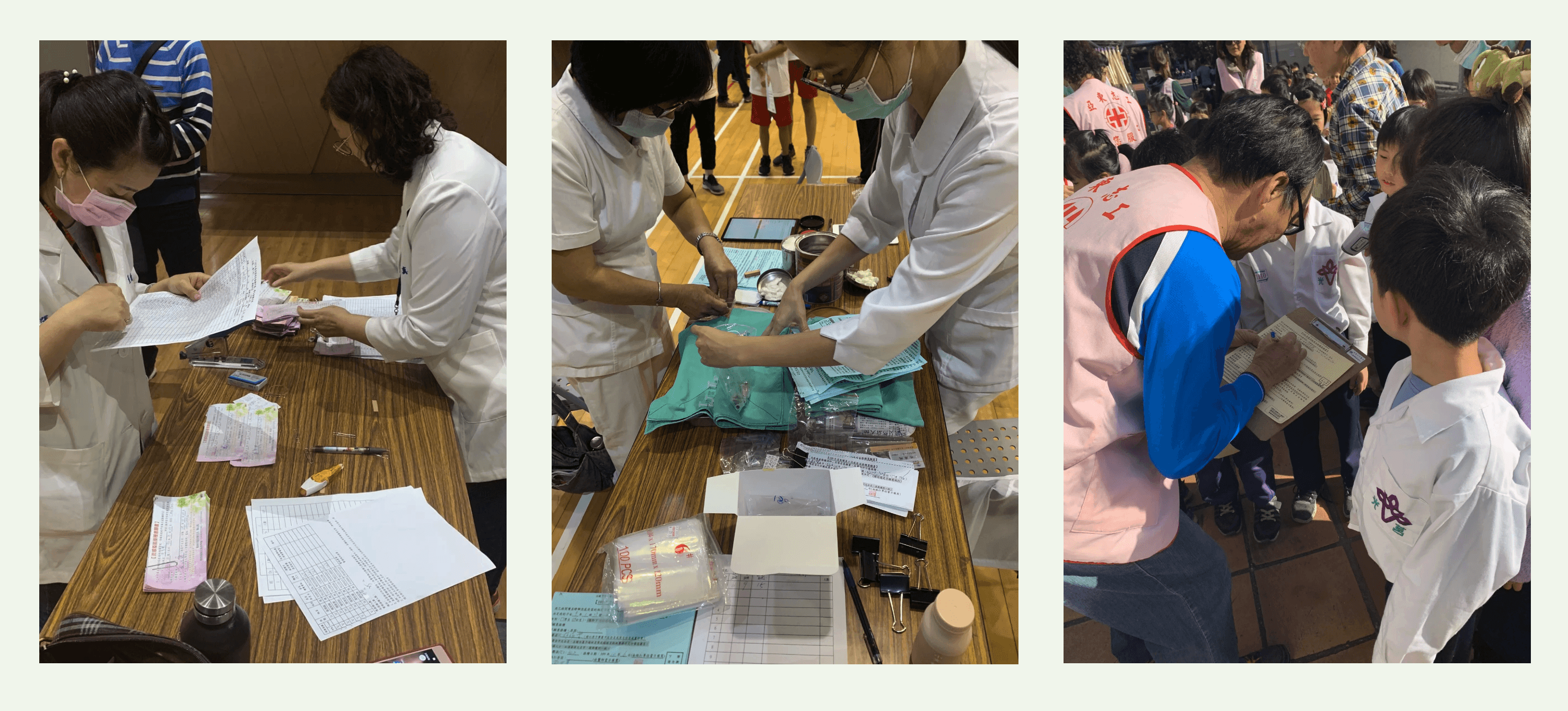
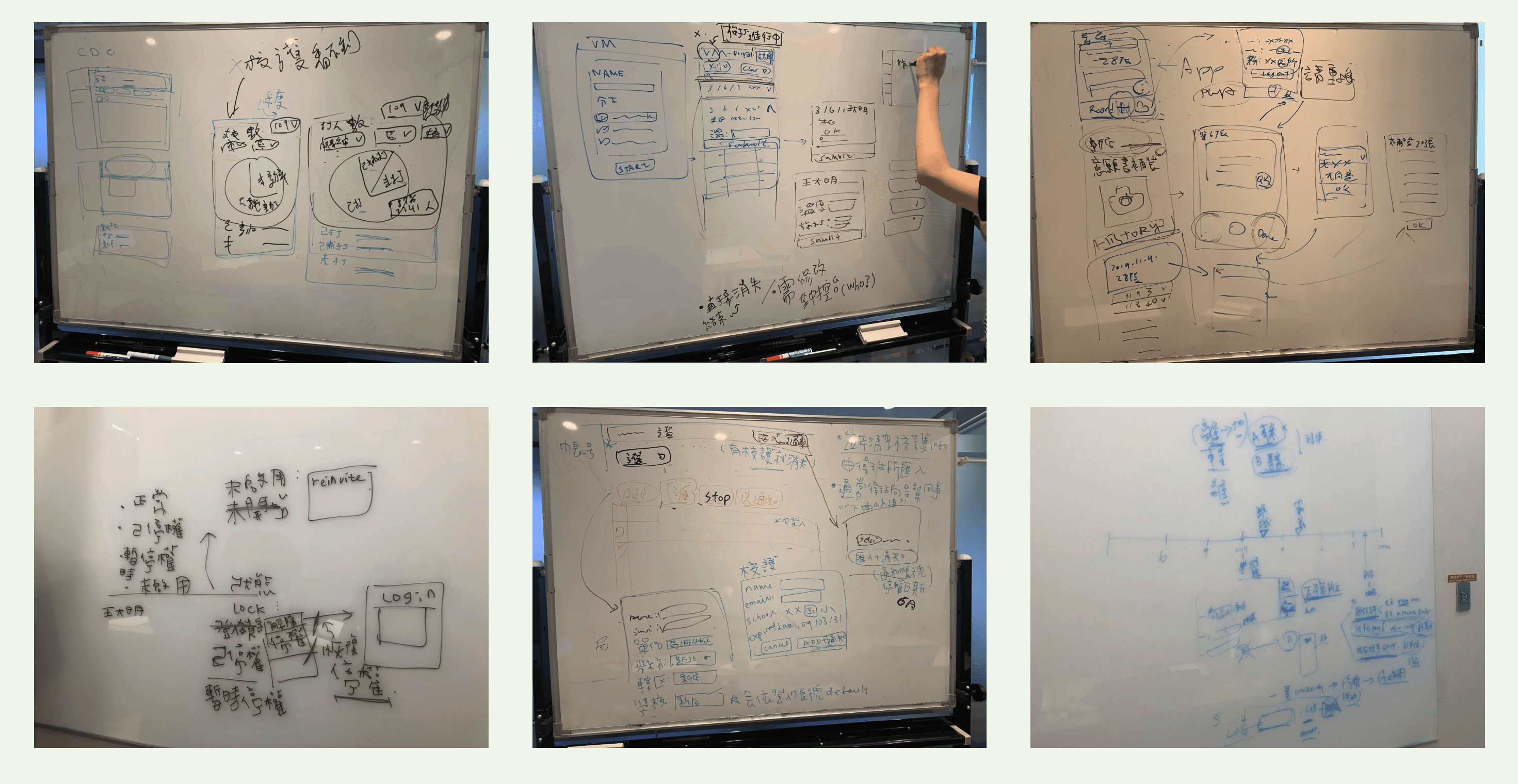
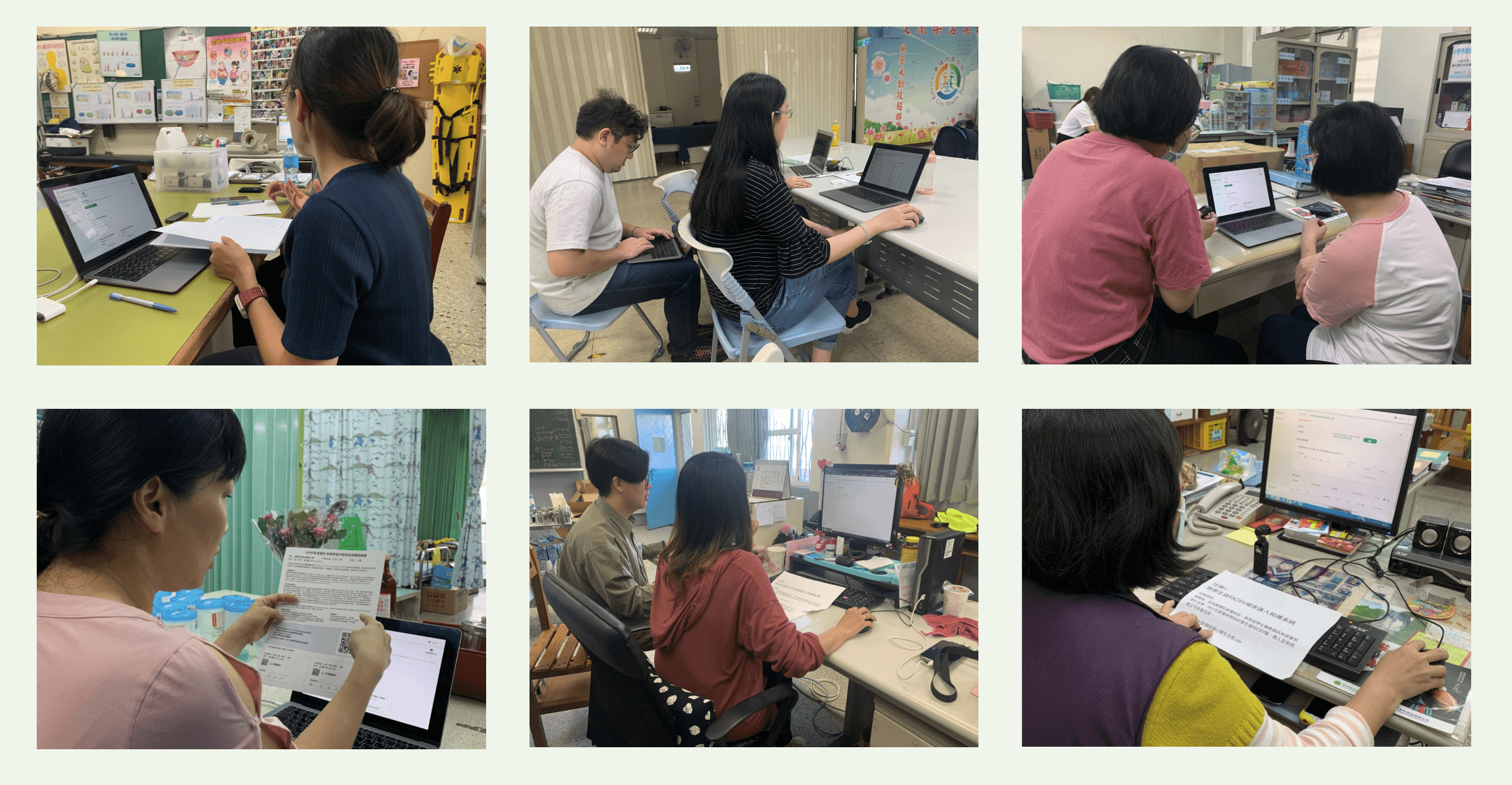
Method: Executed contextual inquiries across vaccination sites to identify operational gaps between policy mandates and frontline realities.
Synthesis: Created Service Blueprints to map the end-to-end journey, identifying critical pain points for nurses, admins, and the public.
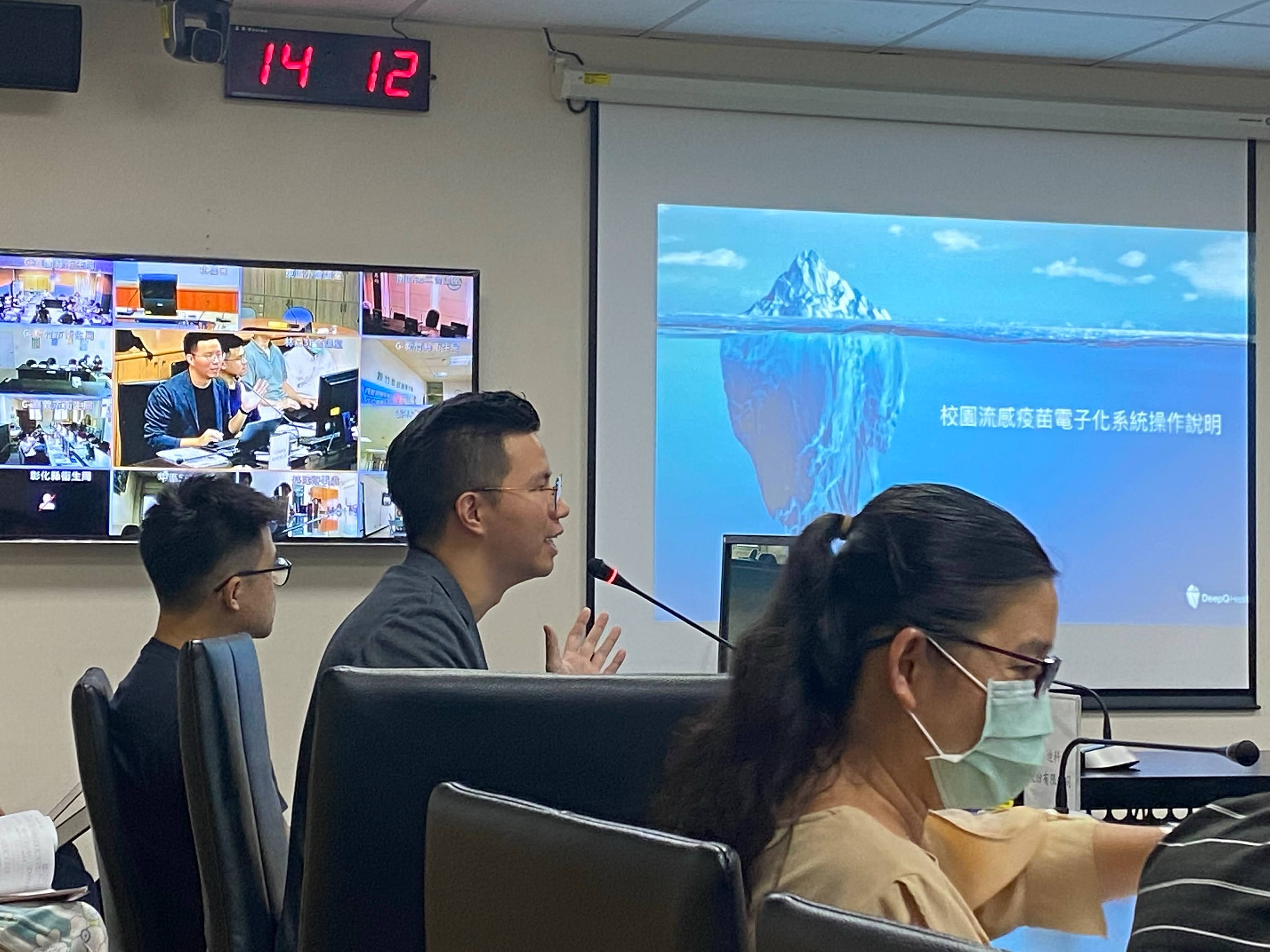
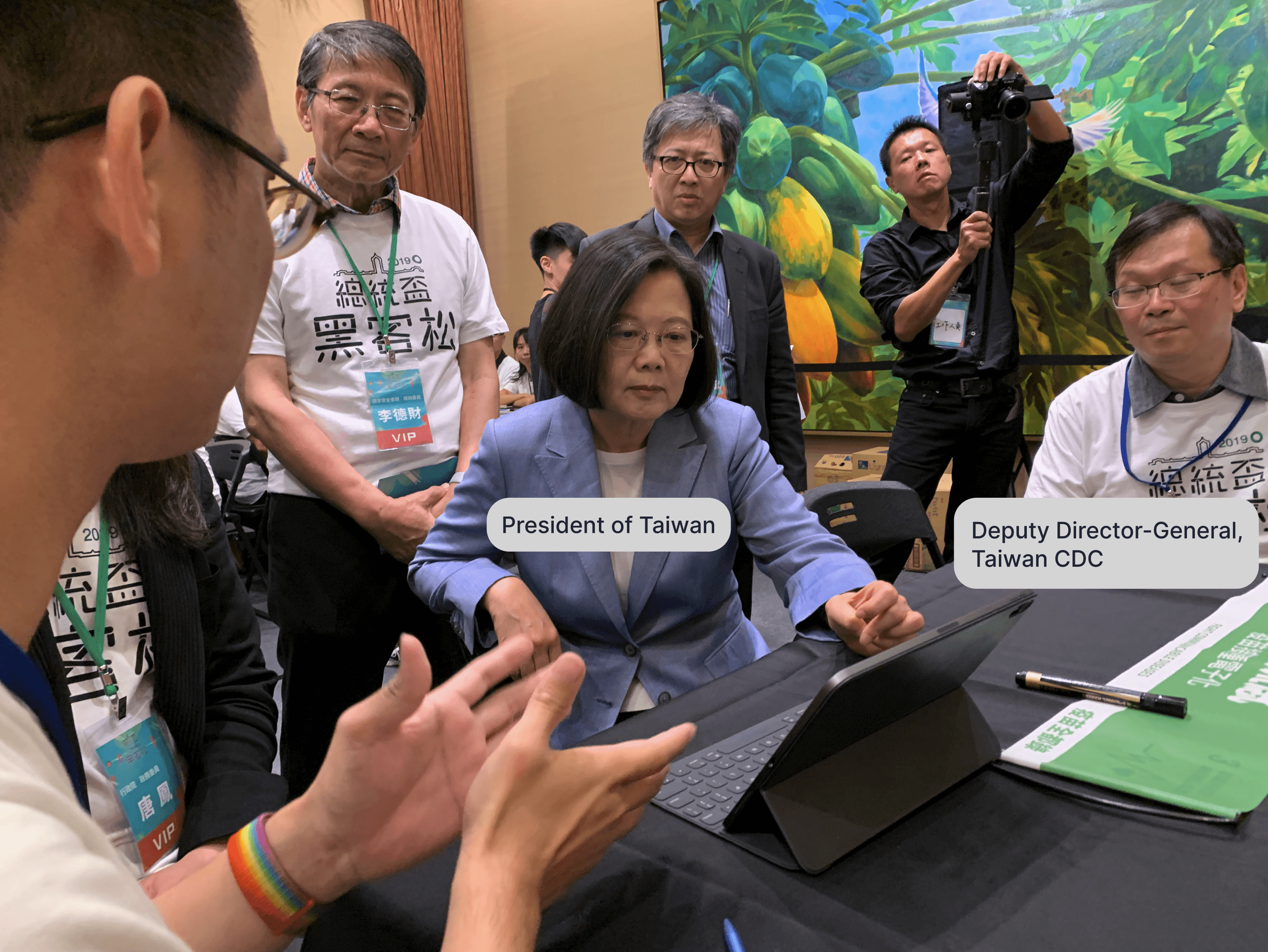
Impact: Presented visualized insights to CDC leadership, successfully influencing national health policies and ensuring the product roadmap solved the right problems for the right personas.
Customer feedback
“Finally, someone has made our operations visible and understandable.”
- Taiwan CDC administrator
"What used to be a week-long struggle now takes me just a few minutes."
- School nurse

Designing for Physical Constraints & Split Attention
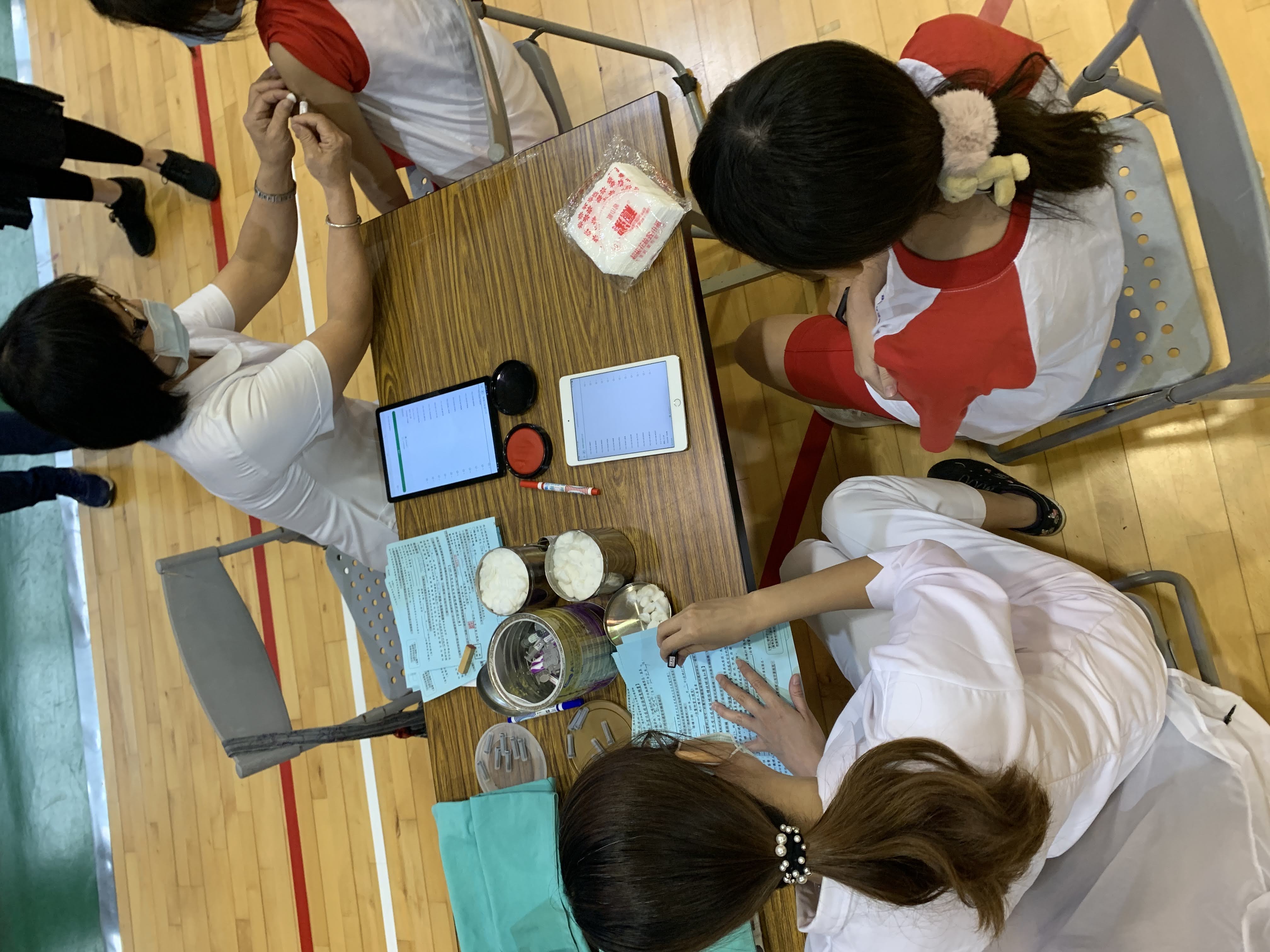
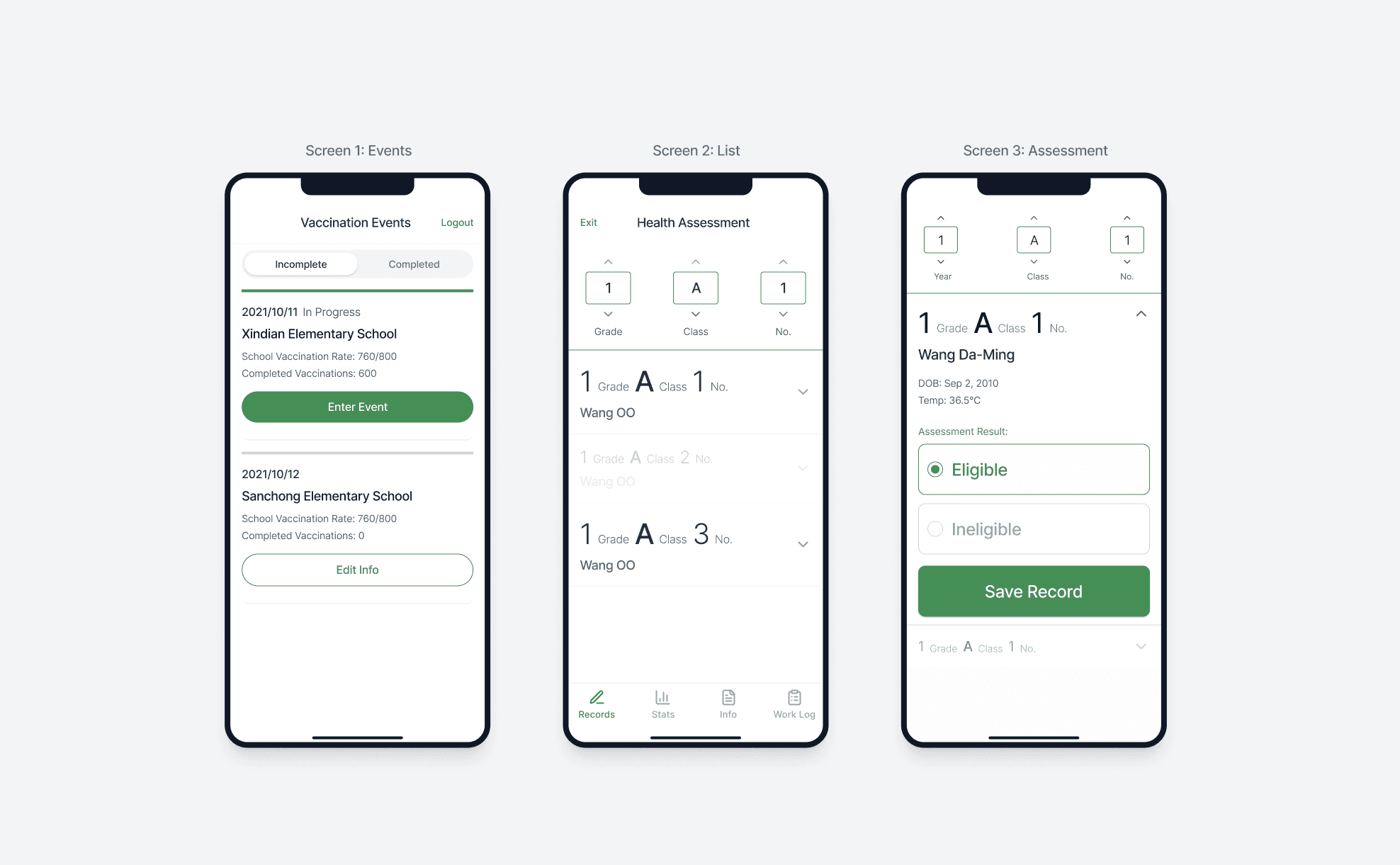
Standard UI patterns fail in vaccination stations where staff operate under high cognitive load and physical distance. Recognizing that nurses perform medical procedures while interacting with the system, I designed a high-legibility interface featuring optimized typography and enlarged touch targets. This ensured instant glanceability and minimized input errors from a 1-meter viewing distance.

Designing for Scale: Where Seconds Count
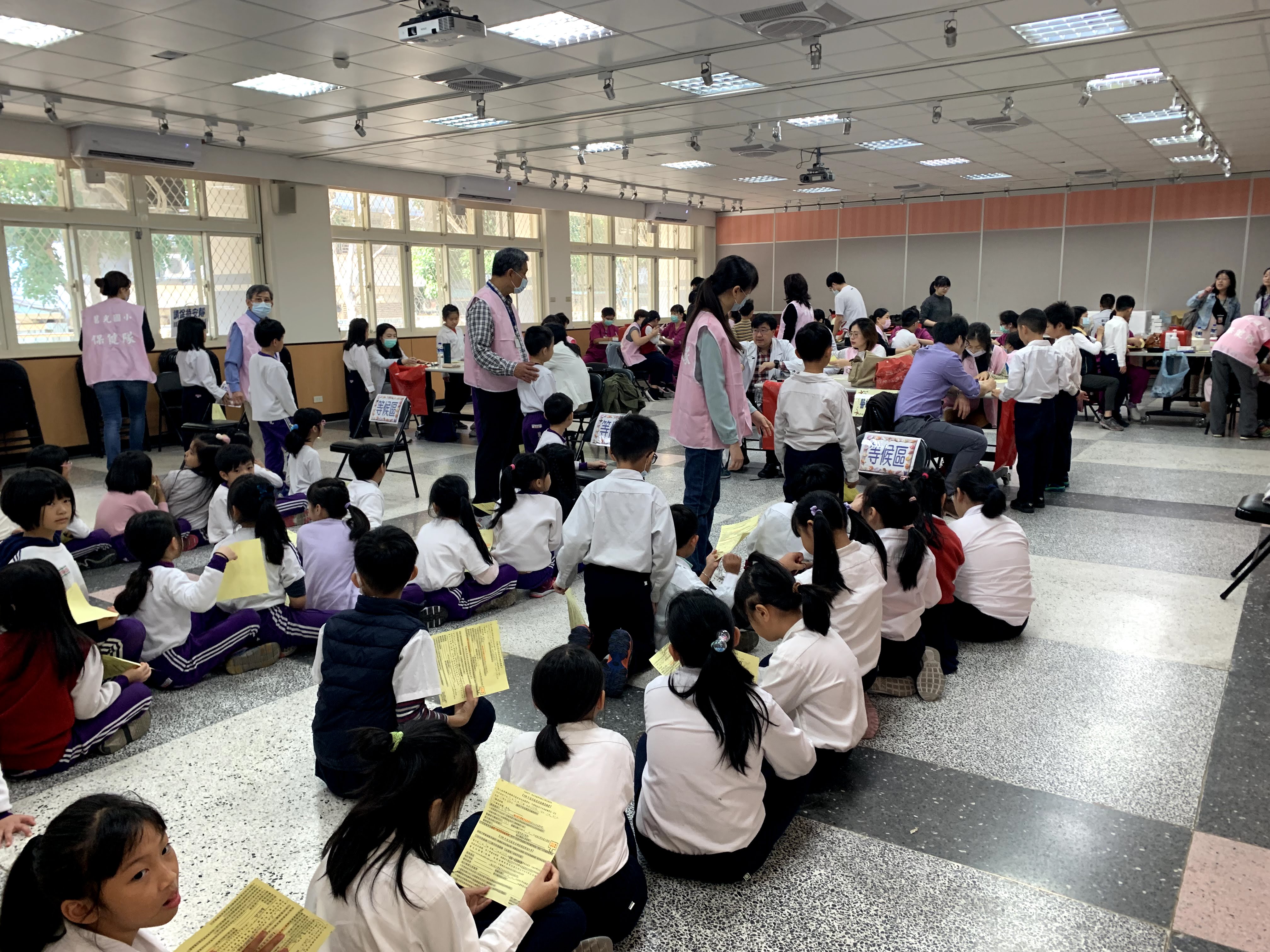
We conducted over 20+ rounds of contextual inquiries and field studies with one non-negotiable metric: the digital solution could not be slower than the existing paper workflow. In a system handling 2 million annual vaccinations, a friction of just a few seconds per user compounds into thousands of wasted hours across schools nationwide. This "multiplier effect" made rigorous usability testing and uncompromising efficiency standards a necessity, not a luxury.

Bias for Action: Iterating Through Ambiguity
With a strict 1-year launch deadline, waiting for perfect requirements was not an option. I championed a strategy of "Progress over Perfection," conducting design and validation cycles in parallel. This allowed us to bridge the gap between user needs and CDC policy compliance rapidly, turning incomplete information into actionable product decisions through continuous iteration.

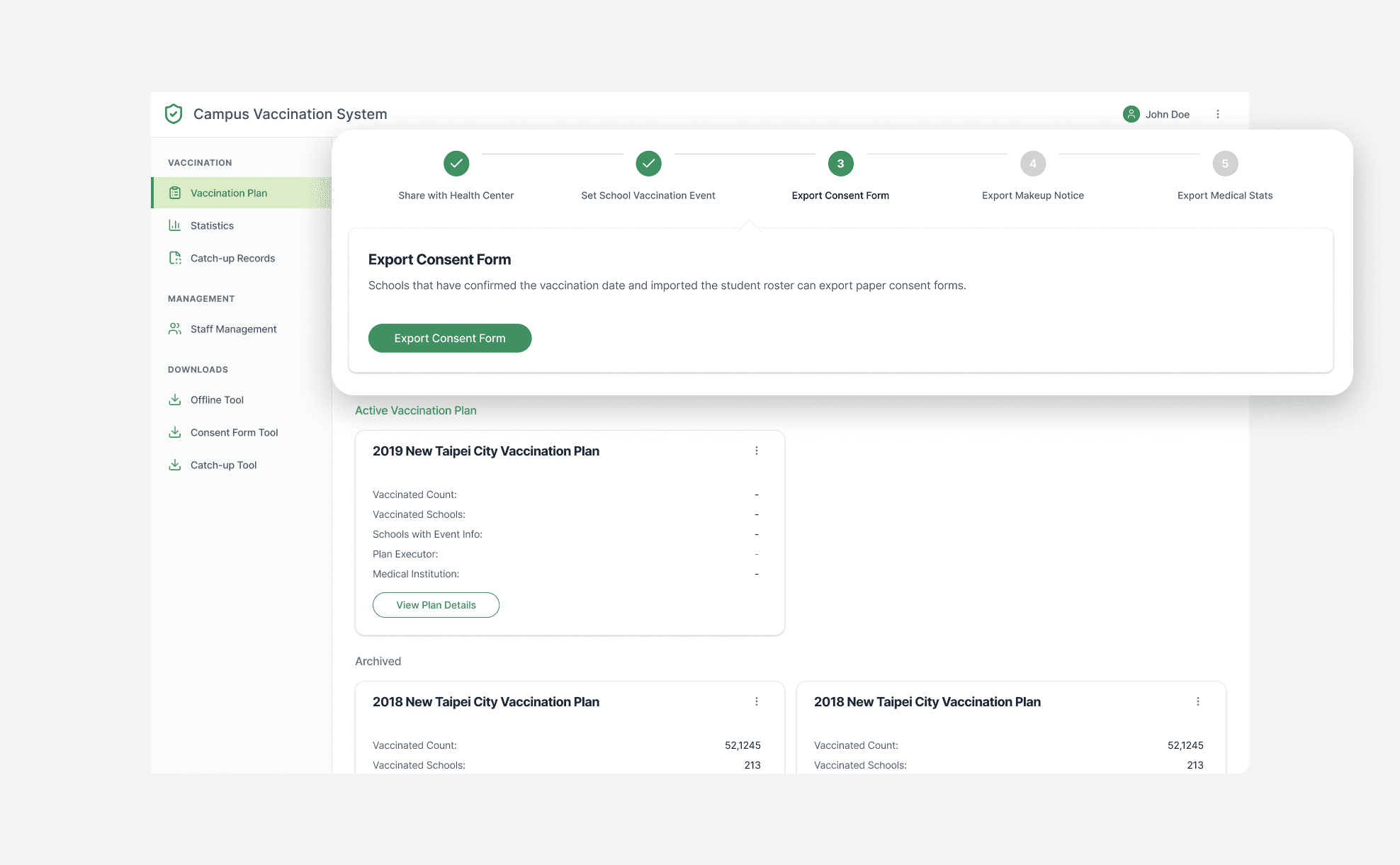
Low Barrier - Guided Onboarding for Instant Proficiency
To support first-time users without extensive training, I implemented a linear stepper interface. This design breaks down complex data entry into digestible chunks, providing a clear "GPS" for the workflow. It reduces cognitive load, allowing novices to navigate the system with confidence from day one.
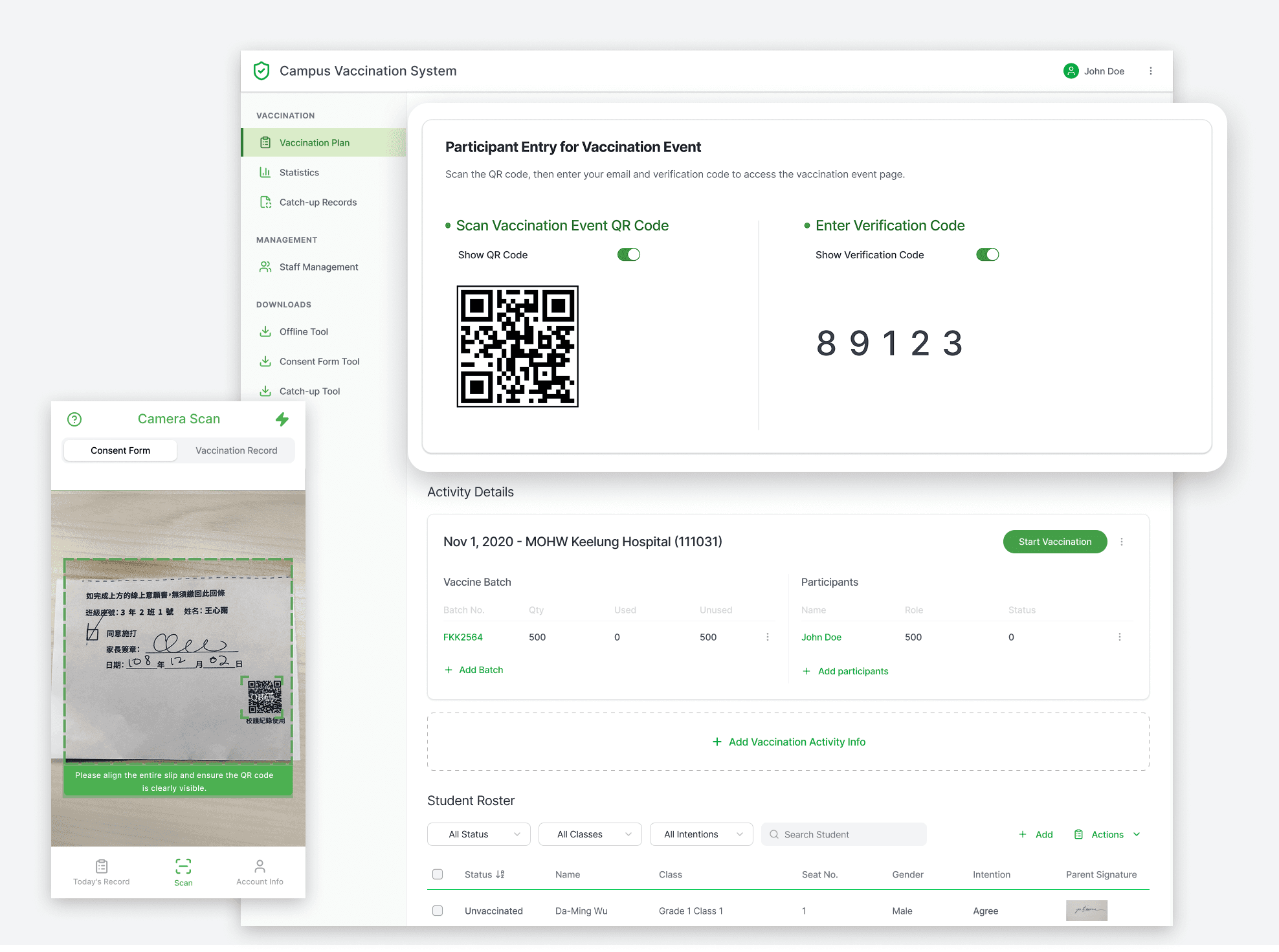
Safety Net - Mapping Digital Interfaces to Physical Protocols
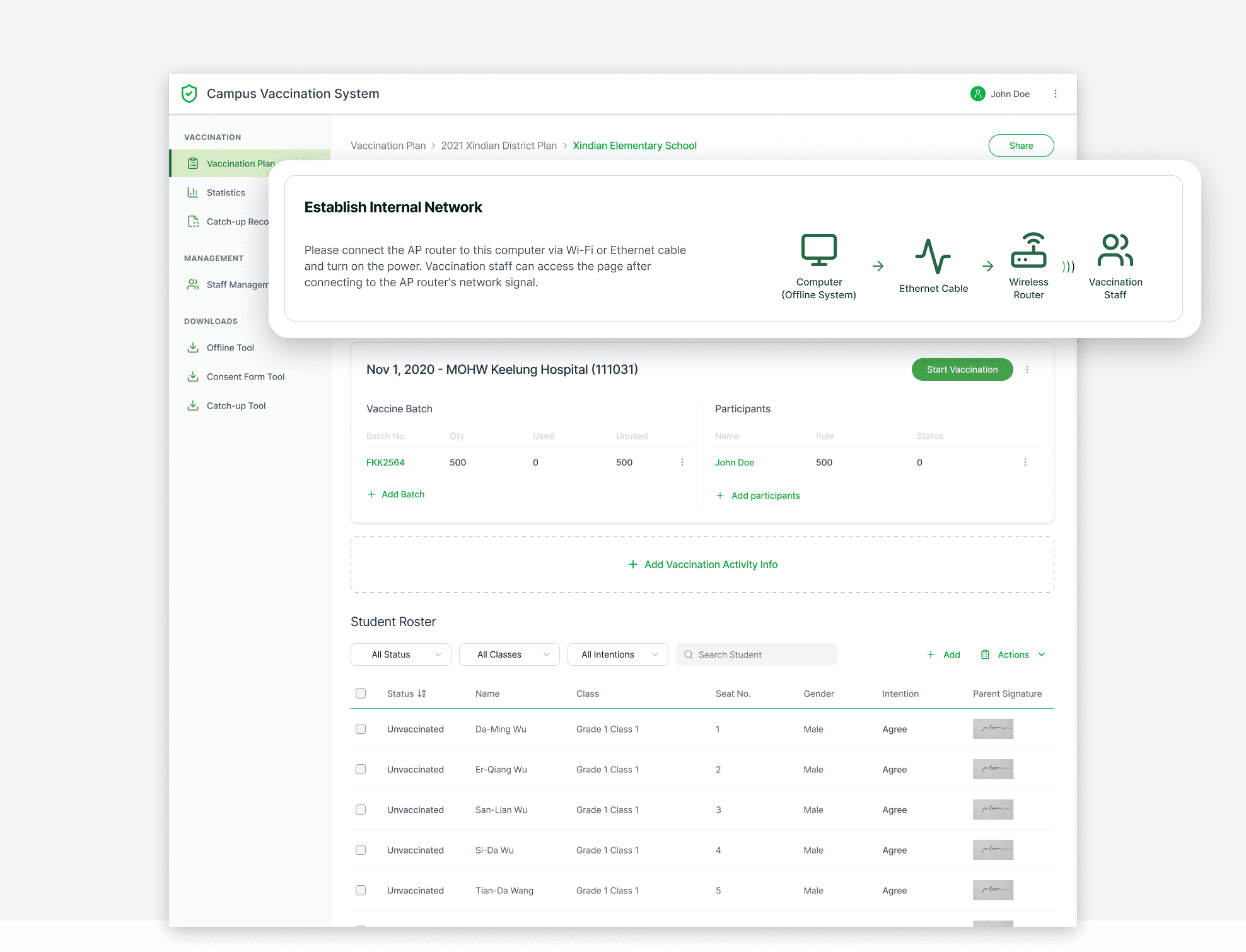
To bridge the gap between offline habits and the new digital tool, I placed prominent instructional cues at the top of every workspace. These banners mirror the physical checklist admins are used to, providing constant context and "just-in-time" guidance. This ensures users feel reassured and oriented, no matter where they are in the process.

Project impact - From Flu Shots to Frontline Defense
This system evolved beyond routine vaccinations to become a critical tool during the COVID-19 pandemic. By providing real-time, error-free vaccine records, we empowered the CDC to track and block the virus's spread with zero latency. That direct efficiency cemented the client's trust, turning this success into a long-term partnership and securing us the contract for their next major public health initiative.
2 M
Originally piloted in 3 schools, the system expanded nationwide to serve over 2 million students annually, significantly improving vaccination coverage and execution efficiency.
7
days to minutes
Automation slashed administrative processing time dramatically, turning tasks that previously took a full week of manual effort into a seamless process finished in just a few minutes.